



You checked against the same mirror tile on Monday. By Sunday it looked identical.
It was identical, more or less. That is not a failure of your routine. Anyone searching for fast hair growth in a week is up against a fixed biological rate, and effort does not move it.
So here is the swap worth making. Stop measuring what grew and start counting what you lost. Photograph your ends in daylight today, handle your hair gently for seven days, then photograph the same section again and look at the tips rather than the length.
That test fails for one group. If your ends are already frayed and see-through, the damage predates the week and no amount of careful handling will show up in the photo.
Fast hair growth in a week: what the numbers actually allow
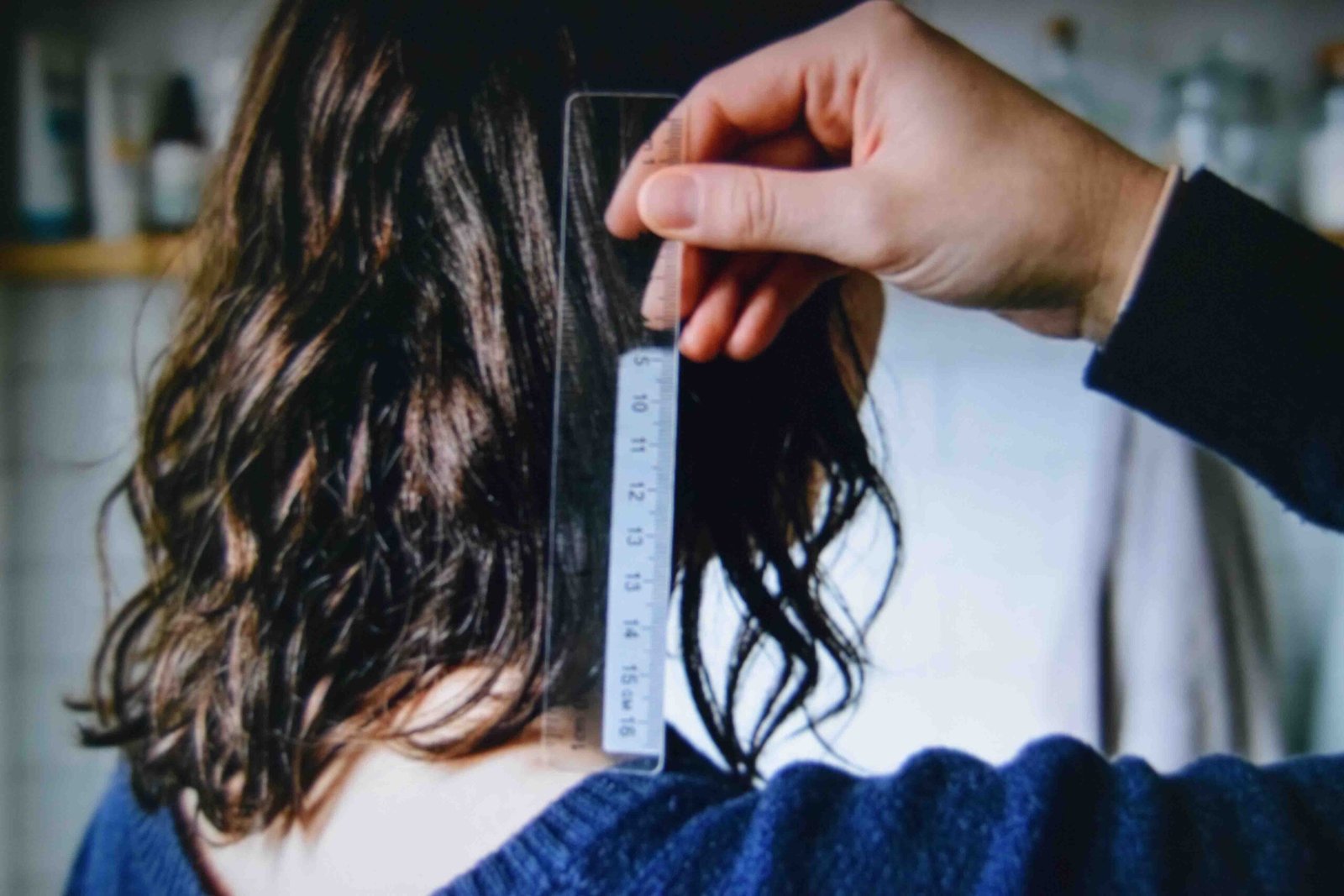
Most strands grow at roughly 0.3 to 0.4 mm a day. Over seven days that comes to about a tenth of an inch, or 2.5 mm.
How long does it take for your hair to grow to a length you would actually notice? Around half an inch a month. Close to three inches over six months.
Searches like “how to hair growth fast in a week” and “what grow hair faster in a week” come up constantly, which tells you how many people are hoping for a shortcut that is not there.
Now the useful reframe. Lose more to breakage than you gained, and you have gone backwards for the week. Retention is the whole game.
1. Scalp massage, done properly rather than absent-mindedly
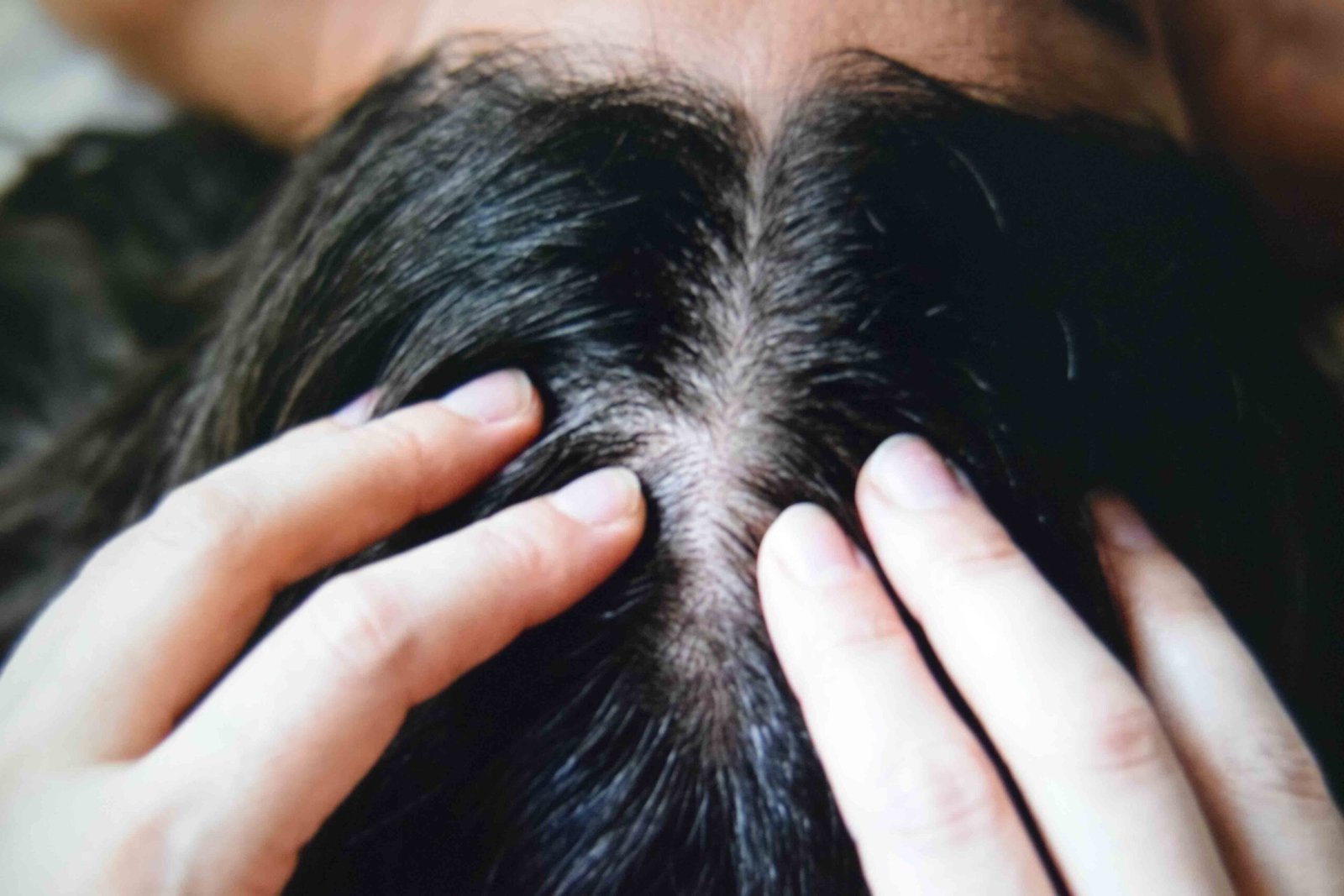
Trim your nails first. Scratching irritates the scalp and undoes the point of the exercise.
Use the pads of your fingertips in slow circles, moving the scalp itself rather than sliding across the hair. Five to ten minutes daily is the working range. Even three minutes done consistently beats twenty minutes once a fortnight.
For firmer pressure, switch to your knuckles. Stay gentle enough that the skin never feels sore afterwards.
The mistake is doing this on tangled hair and dragging strands loose in the process. Detangle first, then massage.
2. Oil treatment, and the temperature check that matters
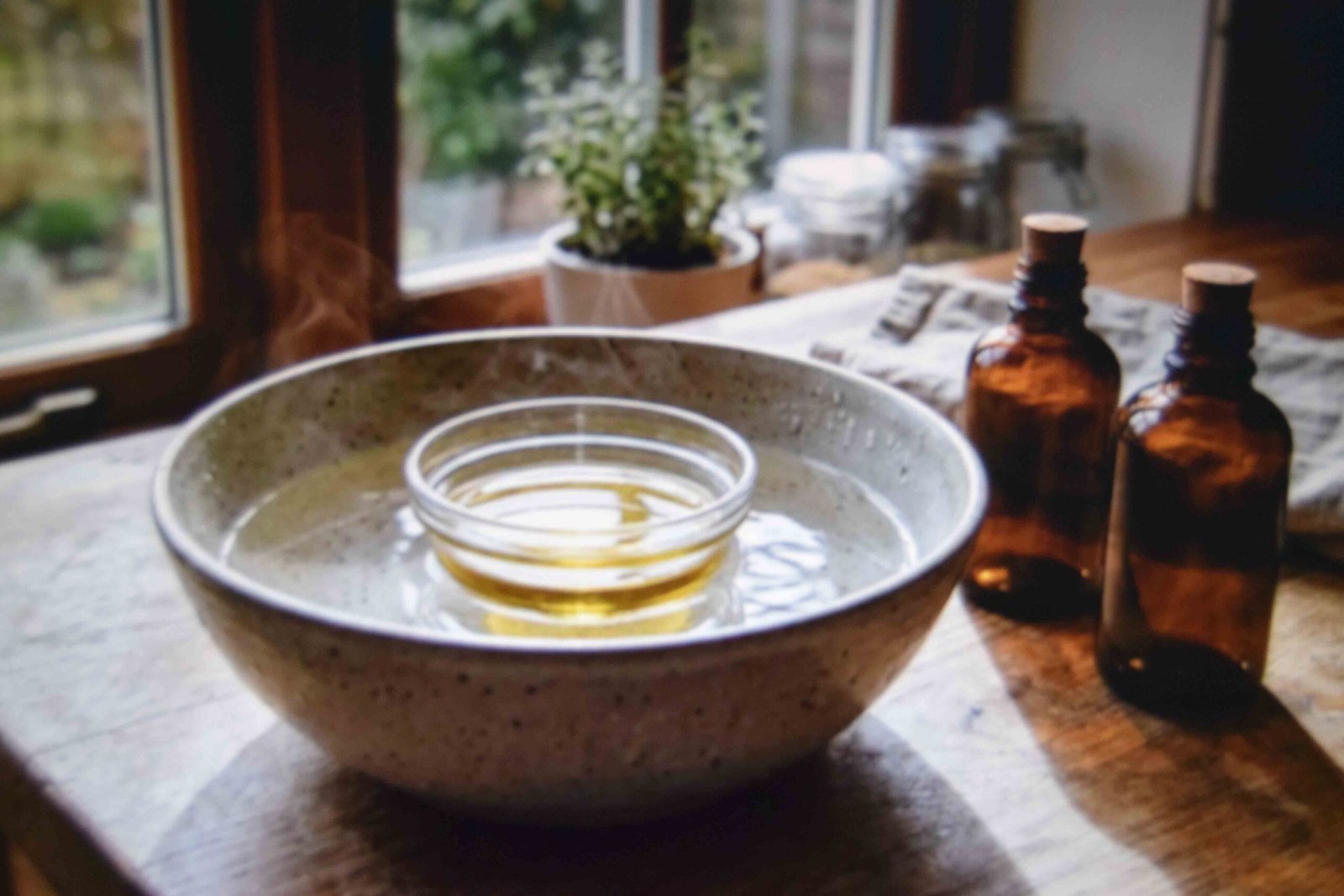
Burn risk is real. Test the oil on your inner wrist before it goes anywhere near your scalp. Mildly heated is the target, and anything approaching hot damages skin and hair both.
For a blend you can keep, combine 1 cup of coconut oil with 1 tablespoon each of almond oil, macadamia oil and jojoba oil.
Never heat oil in a microwave. It heats unevenly and leaves pockets far hotter than the surface temperature suggests, which is exactly how people burn a scalp while believing the bowl felt fine.
Work it through the lengths. Leave it 30 minutes, or overnight if you want deeper penetration. Cover with a microfiber towel or a shower cap so it does not transfer onto your pillowcase.
Patch test on your inner arm and wait a day before a full application, particularly with sensitive skin or nut allergies in the family.
3. The inversion method, and what it honestly is

Massage coconut oil into the scalp for about four minutes, then hang your head below your heart for four to five minutes a day. Downward dog and a shoulder stand both get you there.
Worth saying plainly. Scalp massage and inversion have not been shown in research to speed growth, so treat this as circulation and relaxation rather than a method.
Anyone specifically hunting how to get fast hair growth in a week will find this the most over-promised technique online, and I would not build a routine around it.
Skip inversion entirely with blood pressure concerns, dizziness, or any condition affected by head-down positions.
4. Trims do not speed growth, but they protect length
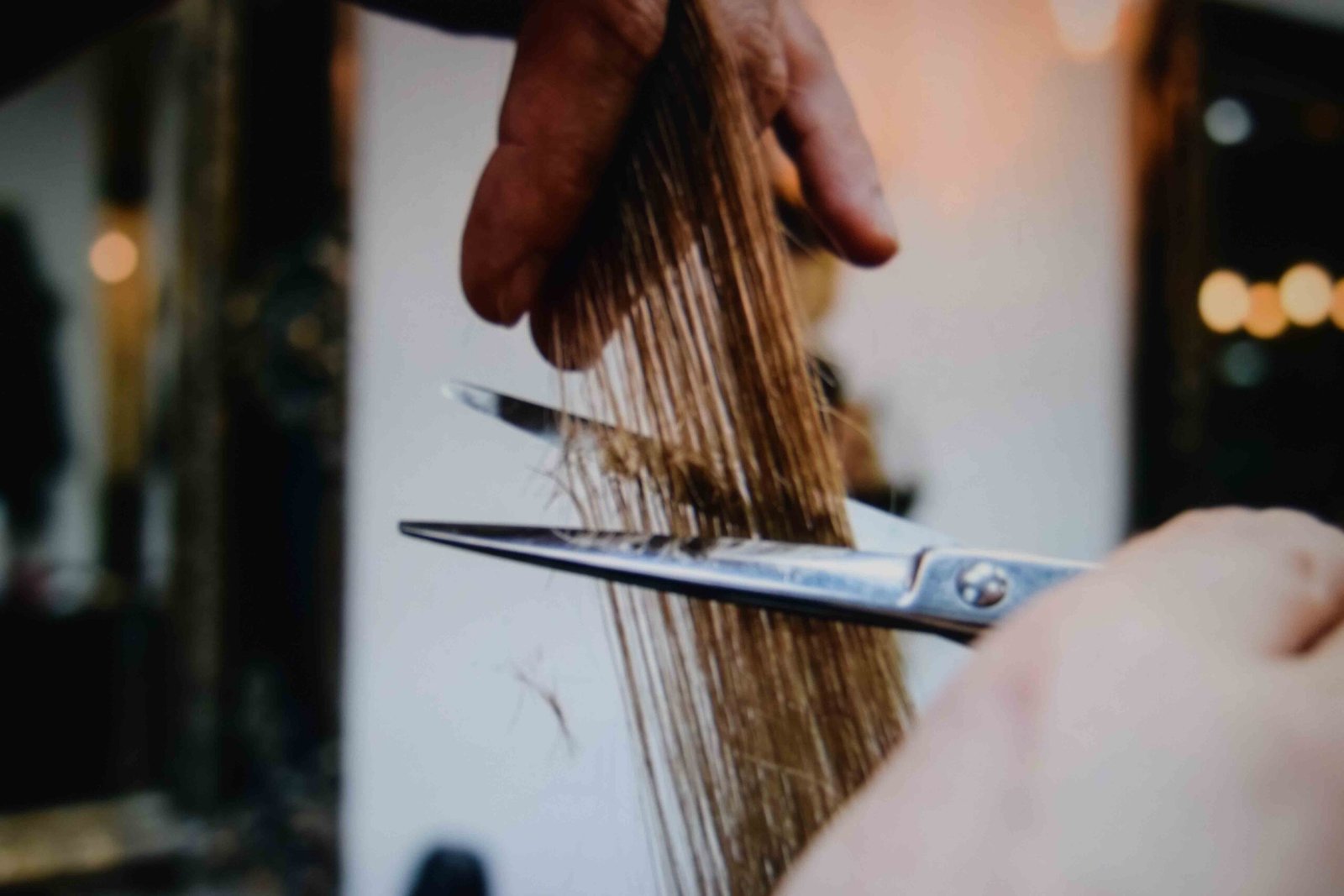
Split ends travel upward. A strand that splits at the tip breaks higher up, and you finish shorter than you started.
Ask for an eighth of an inch, roughly 3 mm, every six to eight weeks.
At half an inch of growth a month, even a light trim every three months still leaves you gaining faster than you are cutting.
The trap for anyone working out how to grow out hair fast is skipping trims for a year. Ends fray, breakage climbs above the damage line, and you lose more than the scissors ever would have taken.
5. How to make hair thicker without weighing it down
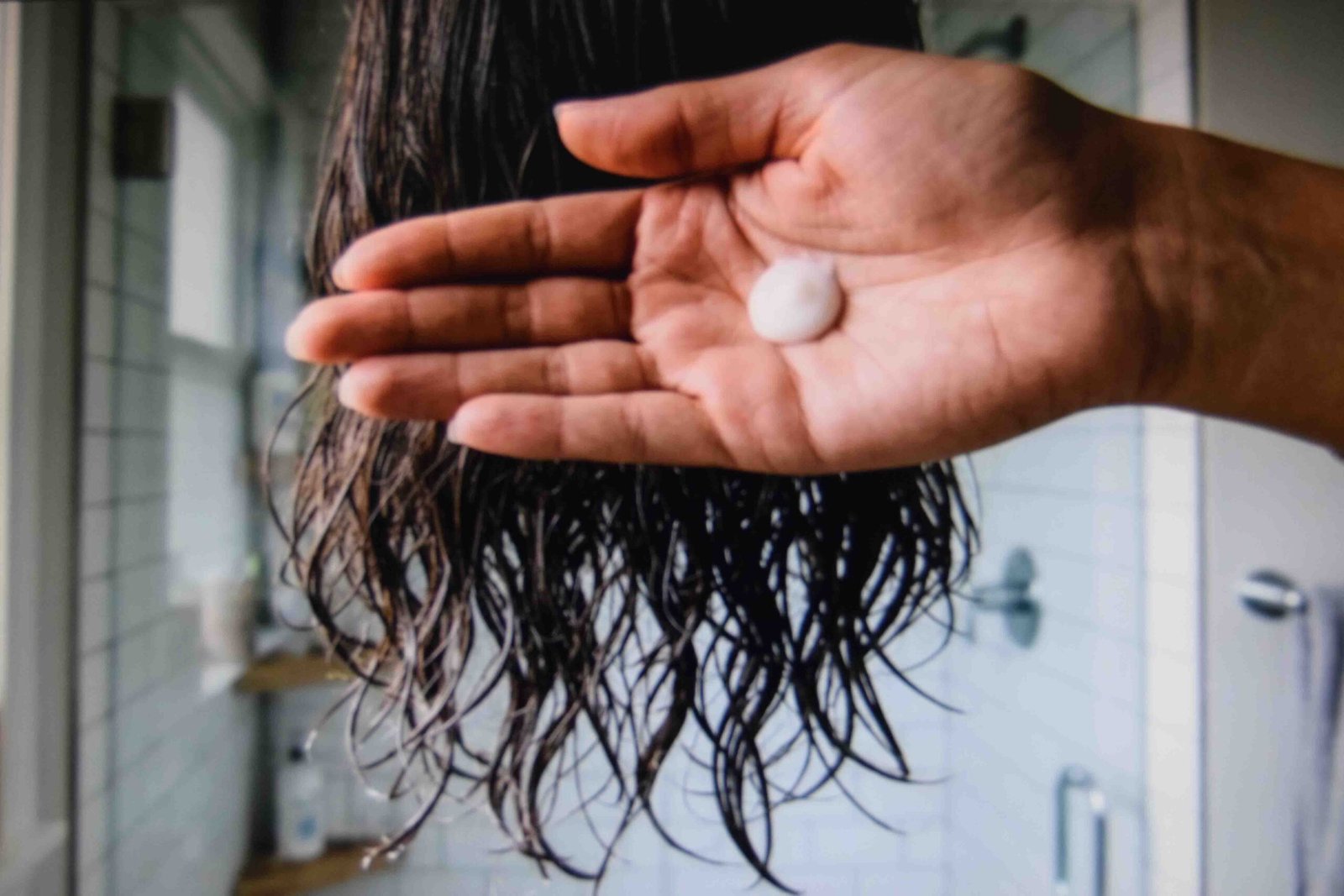
Thickness comes from strand diameter and density. Neither responds to layering on more product.
Use a dime-sized amount of leave-in on damp hair, working it into the mid-lengths and ends only. Keep it off the scalp, where it turns greasy and can block pores.
Overloading with oil is the version of this mistake people repeat weekly. Heavy hair looks thinner, not fuller, because the strands clump together instead of separating.
Slot your mask onto a day you were already going to shampoo. That way you are not adding a wash to the week just to rinse a treatment out.
And be realistic about what a mask does. It reduces breakage and improves condition, which is how to make your hair thicker in appearance. It does not change the follicle.
6. Soaking hair is the most fragile it will ever be
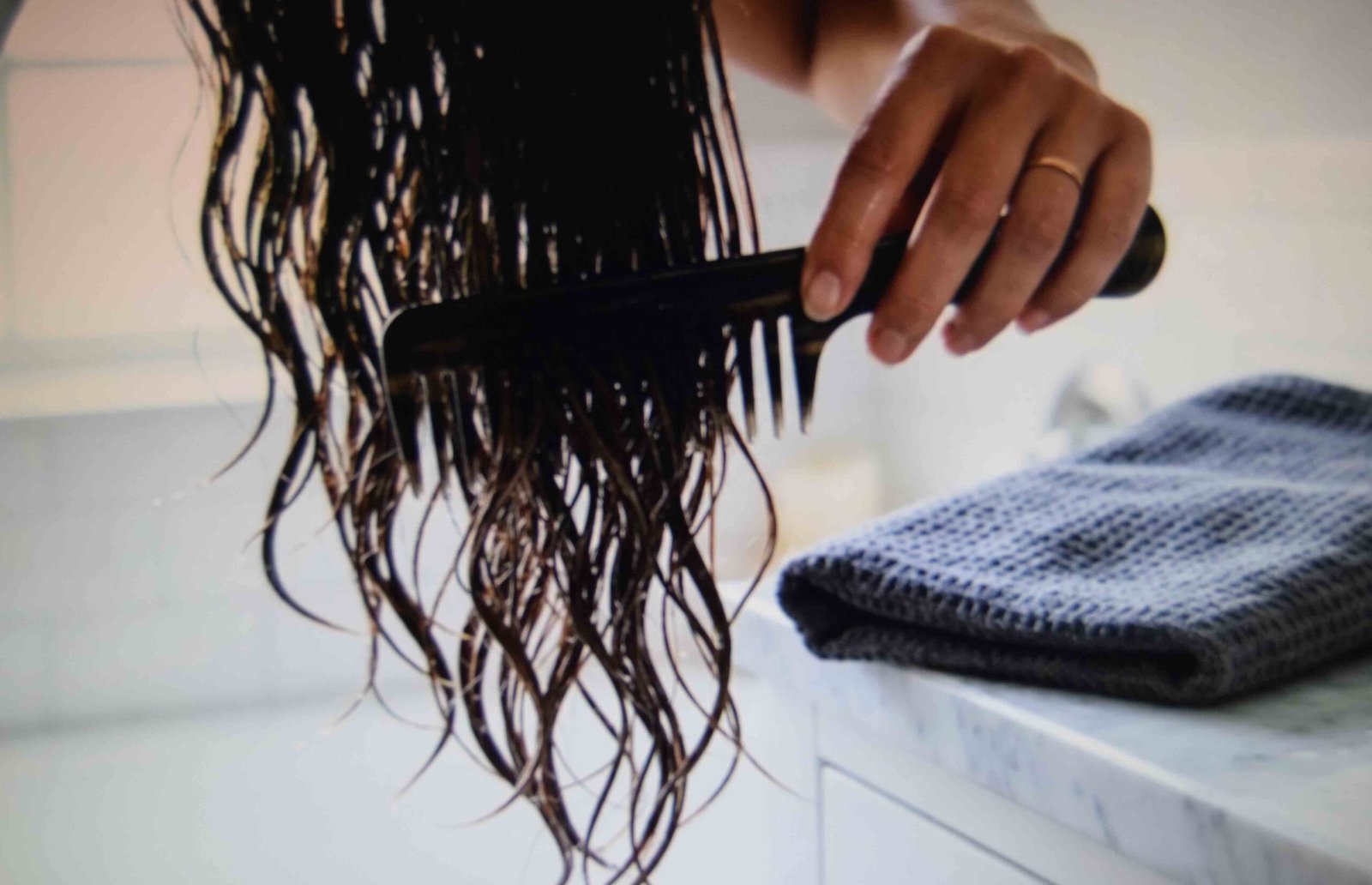
Never wrap sodden hair in a bath towel and twist. The weight plus the friction snaps strands at the point of the twist.
Pat instead, with a thin towel or a microfiber one.
Do not brush or comb while it is still dripping. If you must detangle, use a wide-tooth comb with conditioner still in, working from the ends upward rather than the roots down.
Hair care for natural hair adds one more step here. Detangle in four sections, clipping each away once it is done, because working a whole head at once means constantly disturbing the parts you already cleared.
A boar bristle brush run through a few times before bed is the gentler option once everything has dried.
7. Washing frequency and water temperature

Two to three shampoos a week suits most hair. Daily washing strips the scalp and leaves the lengths brittle.
Skip scalding showers. They feel good and they leave the scalp irritated.
Always condition after shampooing, even on days you are rushing.
Shampoo goes on the scalp only. Conditioner goes on the lengths only. The common error is reversing both, which leaves roots greasy and ends starved, and no product upgrade fixes a placement problem.
Hard water areas are worth a shower filter, since mineral deposits build up on the shaft and dull it over the months.
8. Heat styling limits worth writing down
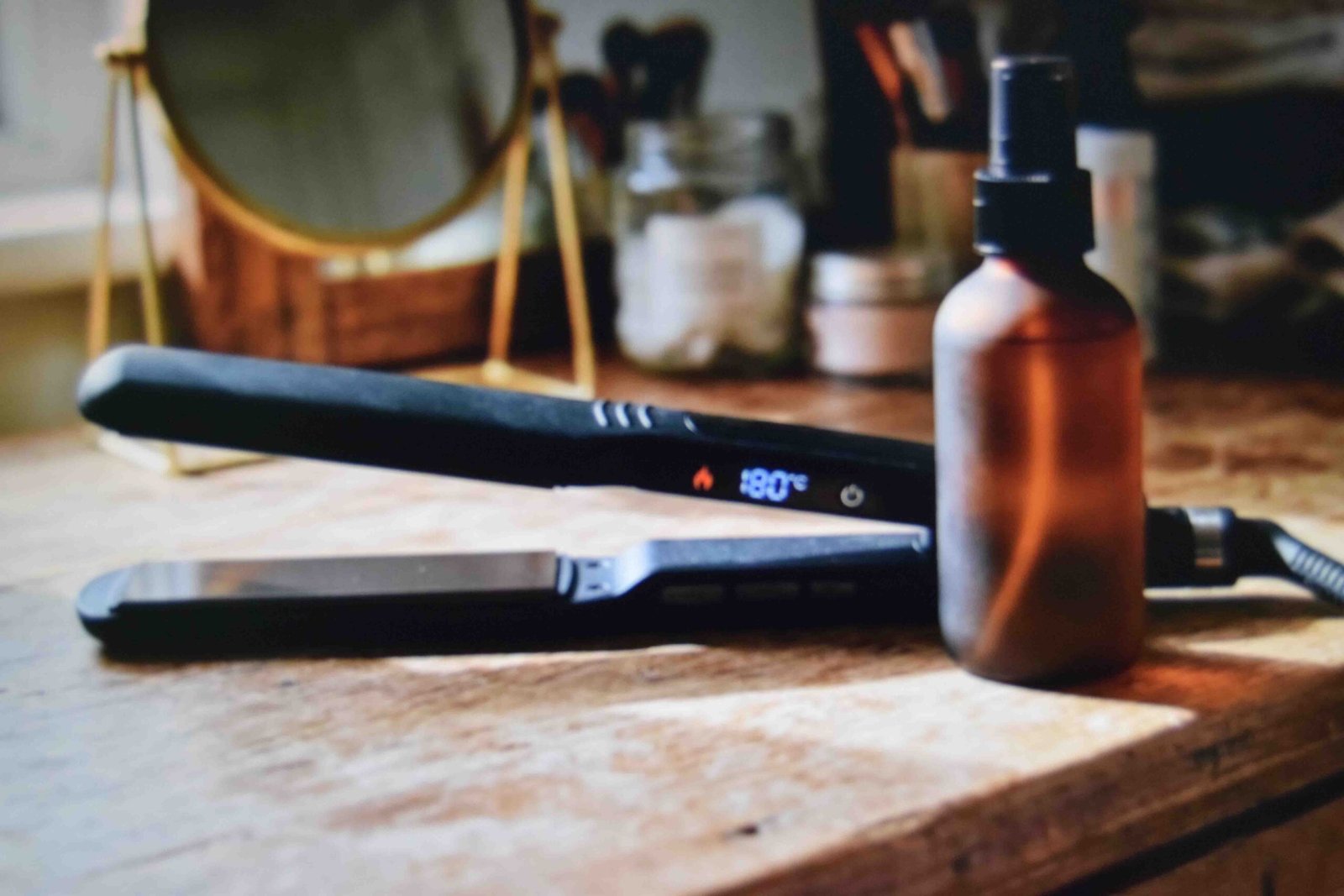
Keep the tool below 350°F, or 175°C, and use it once or twice a week at most.
Heat protectant goes on before every single use, whether that is a gel, a cream or a spray.
Use the lowest setting that actually does the job rather than the highest setting because it is faster.
The honest downside of leaning natural instead is that you will have days where the hair does what it wants. That is the trade for not cooking the cuticle.
Where this rule bends is a special occasion. One high-heat session with protectant is not the problem. Four a week is.
9. Tension styles quietly cost you the most

Snug ponytails, braids and buns pull constantly at the follicle, and sustained tension can lead to traction alopecia.
Swap rubber bands for fabric-covered elastics. A bare rubber band grips individual strands and tears them on removal.
Wear the same pulled-back style in the same spot every day and the damage concentrates at that exact point.
Rotate your parting and your anchor point through the week. Go looser than feels correct.
If your scalp is sore after taking a style down, it was too firm while it was up.
10. Protein, and what actually goes on the plate

The reference daily intake sits around 46 grams for women and 56 grams for men. By body weight, aim for roughly 0.8 grams per kilogram, rising toward 1 gram if you are highly active or over 50.
Eggs, lean meat and legumes all carry it. On a vegetarian diet, soy foods, beans, nuts and grains cover the same ground.
A handful of mixed nuts or seeds daily helps, though they are calorie dense so moderation applies.
Balance the rest with fibre-rich carbohydrates. Whole grains, fruit, vegetables.
Go easy on processed meats and heavy dairy, which bring other health considerations with them.
Nobody chasing fast hair growth in a week will see a diet change land inside those seven days. Nutrition shows up two to three months later, which is exactly why people abandon it too early.
11. Supplements, ceilings and who should not use topical treatments

Speak to your doctor before starting anything. Dosage matters and some supplements interact with medication you may already be taking.
Biotin, vitamin C and the B group are the ones usually named for hair support.
Vitamin A is where a ceiling applies. Sweet potatoes and spinach supply it through food, and staying under 10,000 IU daily avoids toxicity, since too much causes problems rather than solving them.
Fish oil is a practical alternative if oily fish is not part of your week, again with a provider check first.
One caution worth repeating. Some over-the-counter topical growth treatments are not suitable for anyone under 18, during pregnancy, or while breastfeeding. Read the label and ask a pharmacist.
12. Sleep and stress do more than any bottle

Poor sleep both slows growth and increases shedding, which makes it the most underrated item on this list.
Target seven to nine uninterrupted hours. Keep the bedroom between 60 and 67°F, dim the lights an hour before bed, and get off screens in that window.
For stress, ten to twenty minutes of daily mindfulness, deep breathing or yoga all help lower cortisol.
Even a five-minute stretch break or a few lines of journaling before bed shifts the internal environment in a useful direction.
None of this is a cure for a medical cause of hair loss, and it is not meant to be.
Why does my hair grow so fast for some people and not others

Genetics sets most of it, and rates differ not just between people but between individual hairs on the same head.
There is also a stage where nothing happens at all. Once the growing phase ends, the follicle enters a two to three week transition and detaches from the blood supply. No oil, no massage and no supplement changes that timing.
Which explains the friend whose hair seems to sprint while yours crawls on an identical routine. You are likely comparing different proportions of hairs sitting in different phases, not different levels of effort.
Track it monthly, not on Sunday nights
Because a week produces so little, scalp inspections every seven days tell you nothing and mostly just make you anxious.
Take progress photos every 30 to 60 days instead. Same light, same angle, hair dried, ideally against the same background object so the scale stays consistent.
Anyone expecting fast hair growth in 2 weeks is measuring on a timescale too short to show anything.
Then leave the camera alone between shots. Comparing two photos taken a month apart is useful. Comparing today against yesterday is noise.
FAQ
What is the fastest way to grow hair naturally?
Sequence it. Fix the handling damage first, because that stops losses this week. Then adjust nutrition, which will not show for two to three months. Doing both at once is fine, but expect them to pay out at completely different times.
How to make hair grow thicker if my part looks wider than it used to?
A widening part is a density question rather than a styling one, and it is worth a professional opinion rather than another product. A dermatologist can tell you whether anything treatable sits behind it.
Can damaged lengths be repaired?
No. Hair below the scalp is not living tissue, so once the cuticle cracks it stays cracked. Conditioners smooth the surface and make it behave, but that is cosmetic and it washes out.
Does a cold water rinse make hair grow faster?
It does not affect the growth rate at all. It can lay the cuticle flatter for a bit of shine, so treat it as a finishing preference rather than anything structural.
What should I skip buying?
Anything promising visible length in seven days. Also avoid starting three new products at once, because when something changes you will have no idea which one did it.
Play the six month game instead
Pick two habits and hold them, rather than attempting all twelve and quitting by Thursday.
The two with the fastest payoff are gentler handling in the shower and looser styling, because both stop losses immediately rather than months from now.
Then leave it alone. Checking daily is how people talk themselves out of a routine that was working perfectly well.
Fast hair growth in a week is not something you can buy or accelerate. Three inches over six months is, and that is entirely within reach if the ends survive the journey.
This article is general beauty information and not medical advice. Patch test any new oil or product before full use, and speak with a doctor or dermatologist about hair loss, supplements or anything affecting your scalp.